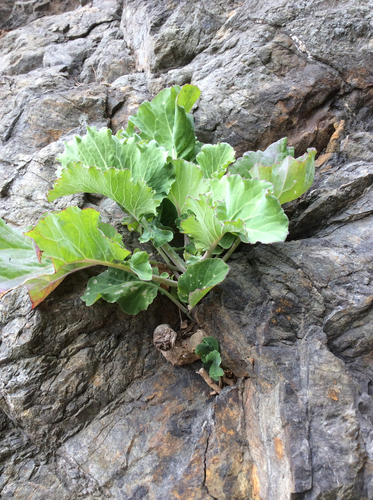
cabbage, broccoli, and allies
Brassica oleracea
Cool-season cole crops grown for their edible heads, florets, and leaves. Best grown in spring and fall for optimal flavor and texture.
Overview
- Form
- Growth Rate
- Size
- Dormancy
Tolerances & Soil
USDA Hardiness Zone
Seasonality
Harvest Season
Season of Interest
Native Range
Mediterranean
Function & Care
Functional Roles
Edible Parts
Establishment & Care
- Establishment
- Maintenance
- Years to Bearing
- Propagation
Companion Planting
Plants well with
18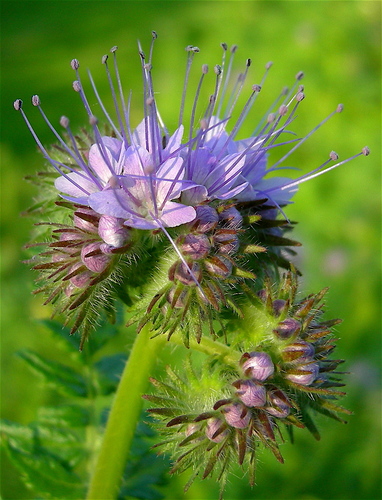
Phacelia tanacetifolia
Lacy phacelia is a proven cover crop that attracts beneficial insects, suppresses weeds, and improves soil structure for brassicas.
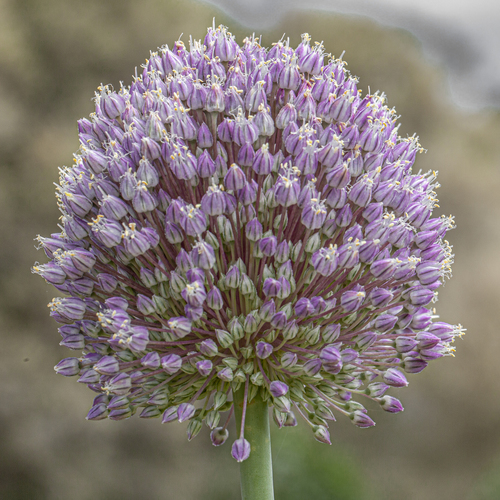
Allium ampeloprasum
Garlic repels cabbage moths, flea beetles, and other brassica-specific pests through its sulfur compounds and volatile oils.
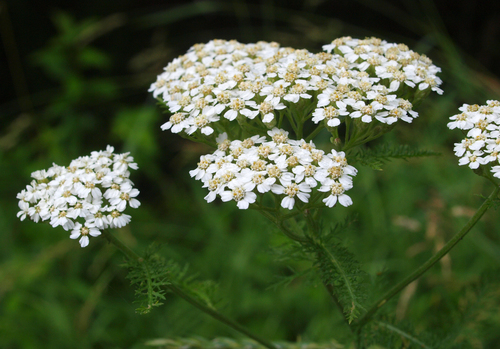
Achillea millefolium
Yarrow attracts parasitic wasps and other beneficial insects that prey on cabbage worms, aphids, and other brassica pests.
Avoid near
2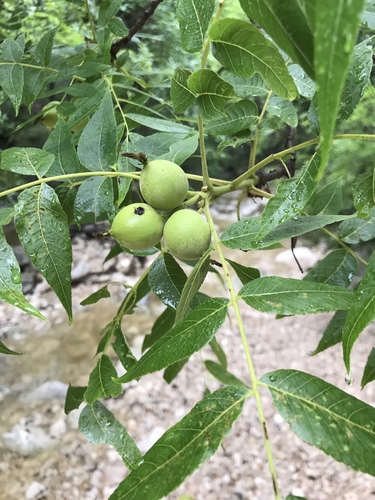
Juglans nigra
Juglone produced by walnut trees suppresses growth and productivity in brassicas and other susceptible plants within its root zone and drip line.
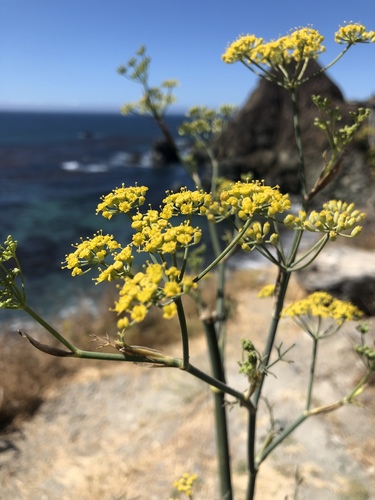
Foeniculum vulgare
Fennel produces allelopathic compounds that inhibit the growth and germination of brassicas, reducing their vigor.