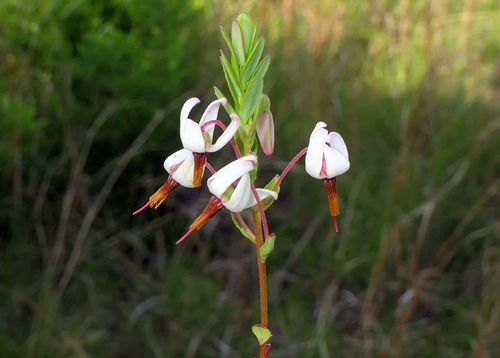
American Cranberry
Vaccinium macrocarpon
American cranberry is a low-growing, spreading shrub that produces tart red berries in fall, prized for fresh eating and processing. It thrives in acidic wetlands and boggy conditions, making it valuable for permaculture systems with wet microclimates.
Overview
- Form
- Growth Rate
- Size
- Dormancy
Tolerances & Soil
USDA Hardiness Zone
Seasonality
Bloom Season
Harvest Season
Season of Interest
Forest Layer Placement
Ground cover
Low spreading plants that carpet the soil.
Succession Role
Native to the United States
Native Range
Eastern North America
Native to: Maine, New Hampshire, Vermont, Massachusetts, Rhode Island, Connecticut, New York, New Jersey, Pennsylvania, Maryland, Delaware, Virginia, West Virginia, Ohio, Michigan, Wisconsin, Minnesota
Function & Care
Functional Roles
Edible Parts
Establishment & Care
- Establishment
- Maintenance
- Years to Bearing
- Propagation
Companion Planting
Plants well with
2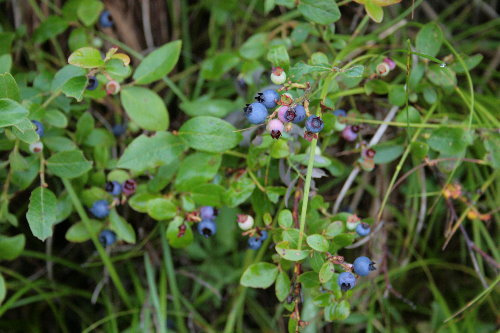
Vaccinium angustifolium
Both plants thrive in acidic, moist conditions and their similar cultural requirements make them ideal companions in bog or acid-soil gardens.
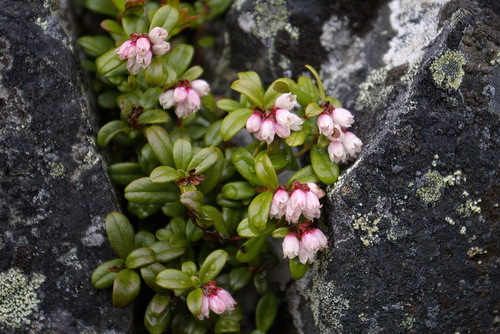
Vaccinium vitis-idaea
Both acid-loving berries thrive in similar moist, acidic conditions and their presence together creates beneficial understory microhabitat and pest management.