
Bee Balm
Monarda didyma
Bee Balm is a showy native perennial with vibrant tubular flowers in red, pink, purple, or scarlet that attract bees, hummingbirds, and butterflies. The aromatic foliage is edible and medicinal, commonly used for tea.
Overview
- Form
- Growth Rate
- Size
- Dormancy
Tolerances & Soil
USDA Hardiness Zone
Seasonality
Bloom Season
Harvest Season
Season of Interest
Forest Layer Placement
Herb
Soft non-woody plants of the field layer.
Succession Role
Native to the United States
Native Range
Eastern North America
Native to: Maine, New Hampshire, Vermont, Massachusetts, Rhode Island, Connecticut, New York, New Jersey, Pennsylvania, Delaware, Maryland, Virginia, West Virginia, Ohio, Michigan, Indiana, Illinois, Kentucky, Tennessee, North Carolina, Georgia
Function & Care
Functional Roles
Edible Parts
Establishment & Care
- Establishment
- Maintenance
- Years to Bearing
- Propagation
Companion Planting
Plants well with
2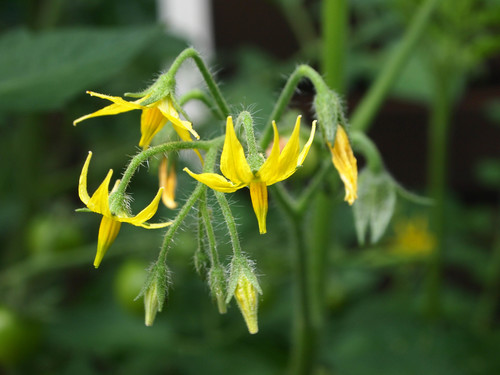
Solanum lycopersicum
Bee balm attracts beneficial pollinators and parasitoid wasps that control tomato pests while its strong scent may confuse some insect pests.
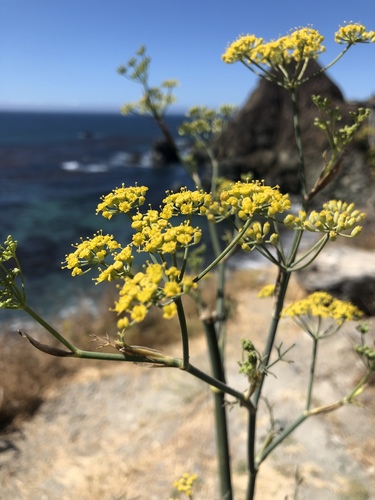
Foeniculum vulgare
Fennel attracts beneficial parasitoids and predatory insects that also benefit bee balm's surrounding ecosystem health.