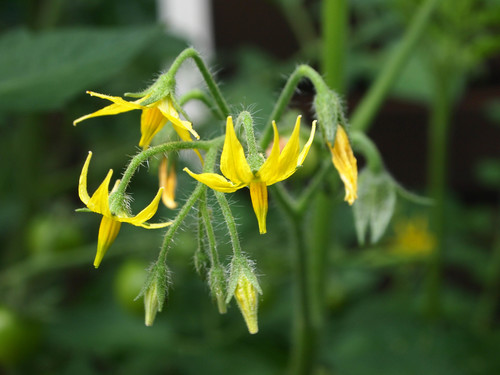
tomato
Solanum lycopersicum
A warm-season vegetable that produces red, edible fruits on bushy or vining stems. Requires consistent moisture and warmth for best yields.
Overview
- Form
- Growth Rate
- Size
- Dormancy
Tolerances & Soil
Drought Tolerance
Flood Tolerance
USDA Hardiness Zone
pH Range
Soil Texture
Seasonality
Bloom Season
Harvest Season
Season of Interest
Native Range
South America
Function & Care
Functional Roles
Edible Parts
Establishment & Care
- Establishment
- Maintenance
- Years to Bearing
- Propagation
Companion Planting
Plants well with
23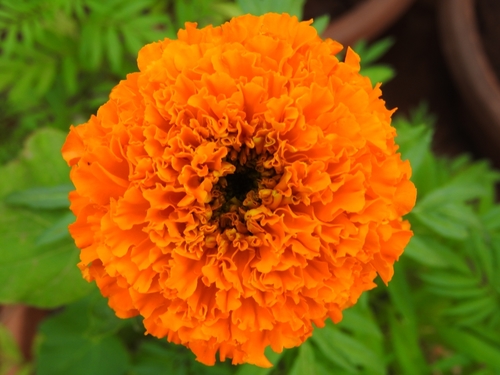
Tagetes erecta
Tagetes erecta roots exude alpha-terthienyl and thiophene derivatives that suppress root-knot nematodes (Meloidogyne spp.), a verified, replicated companion planting benefit for solanaceous crops including tomato.
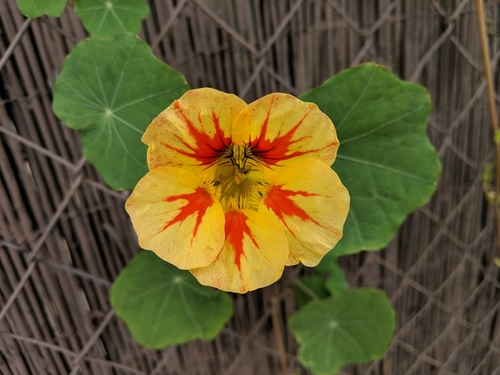
Tropaeolum majus
Nasturtium acts as a trap crop for aphids and repels whiteflies, reducing pest pressure on nearby tomato plants. The pungent volatile compounds deter thrips and spider mites.
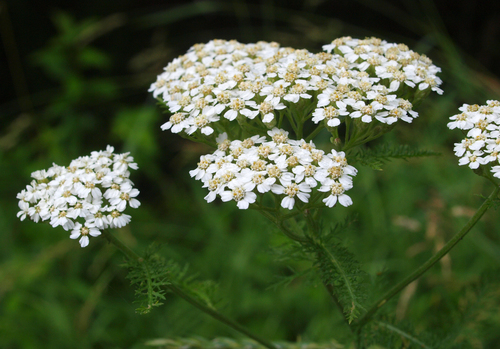
Achillea millefolium
Yarrow is reported to improve the essential oil content of aromatic neighbors and to attract predatory insects (ladybirds, lacewings) that reduce tomato aphid pressure.
Avoid near
4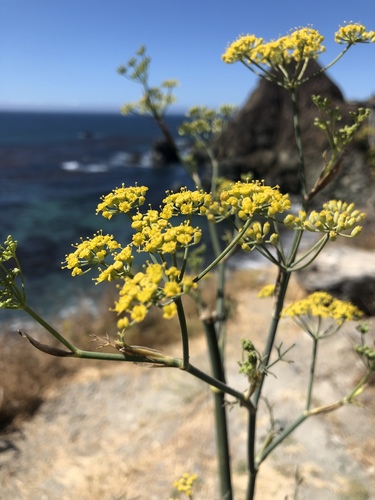
Foeniculum vulgare
Fennel produces allelopathic root exudates that inhibit growth of Solanaceae; tomato plants grown near fennel show stunted growth and reduced fruit set in replicated garden trials.
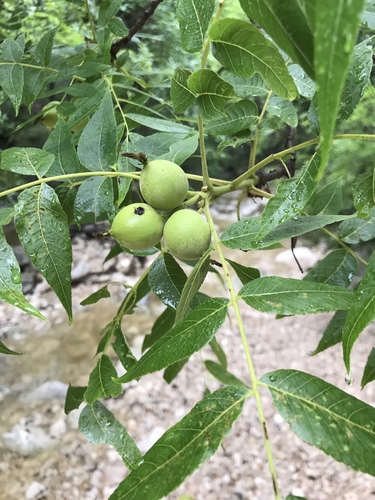
Juglans nigra
Juglans nigra exudes juglone (5-hydroxy-1,4-naphthoquinone), an allelopathic compound that causes wilt and death in solanaceous plants including tomato within a 50-80 ft radius.
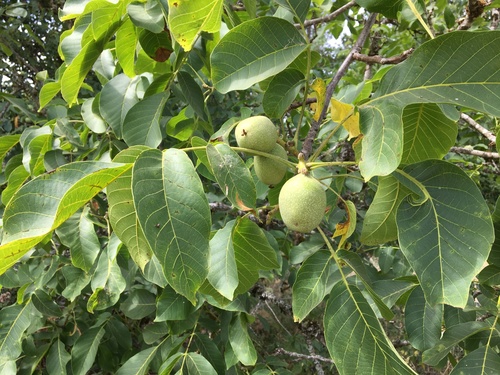
Juglans regia
Persian walnut also produces juglone compounds that inhibit growth in susceptible plants though typically in lower concentrations than black walnut.