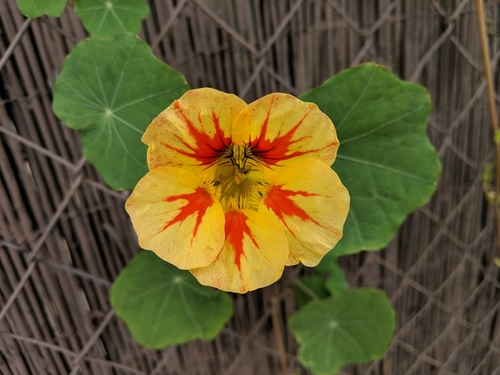
garden nasturtium
Tropaeolum majus
A vigorous climbing or trailing vine with round leaves and vibrant orange, red, or yellow edible flowers. Easy to grow and popular for adding color to trellises, containers, and garden beds.
Overview
- Form
- Growth Rate
- Size
- Dormancy
Tolerances & Soil
USDA Hardiness Zone
Seasonality
Bloom Season
Harvest Season
Season of Interest
Forest Layer Placement
Succession Role
Native Range
South America (Peru)
Function & Care
Functional Roles
Edible Parts
Establishment & Care
- Establishment
- Maintenance
- Years to Bearing
- Propagation
Companion Planting
Plants well with
3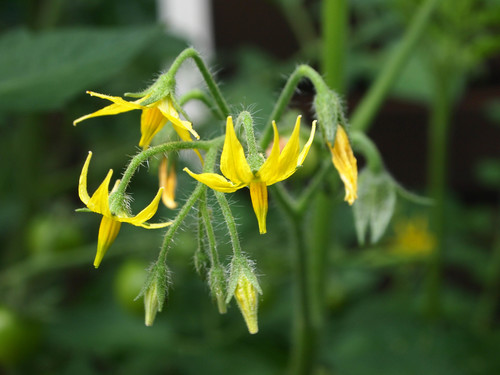
Solanum lycopersicum
Nasturtium acts as a trap crop for aphids and repels whiteflies, reducing pest pressure on nearby tomato plants. The pungent volatile compounds deter thrips and spider mites.
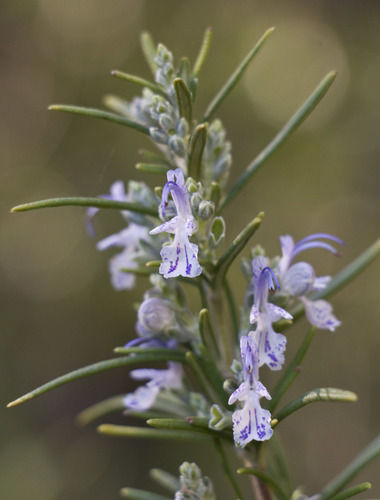
Salvia rosmarinus
Rosemary's volatile oils (camphor, borneol) are reported to repel bean beetles and cabbage loopers; nasturtium also repels these pests, creating a complementary deterrent layer.
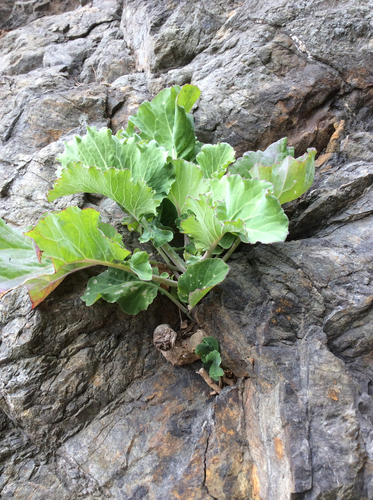
Brassica oleracea
Nasturtium acts as a trap crop for aphids, drawing them away from brassicas. It also attracts beneficial predatory insects that consume brassica pests.