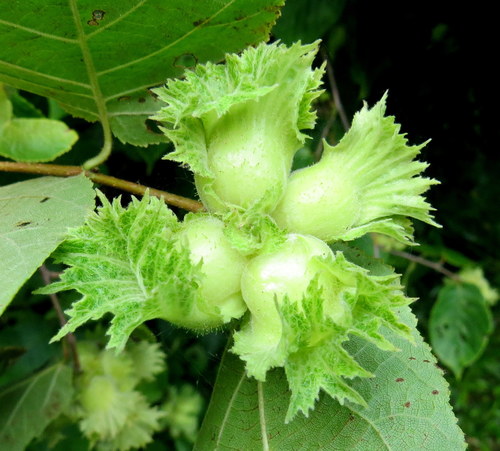
American Hazelnut
Corylus americana
A native North American shrub prized for its edible hazelnuts and dense growth habit. Valuable for wildlife habitat, erosion control, and food production in temperate permaculture systems.
Overview
- Form
- Growth Rate
- Size
- Dormancy
Tolerances & Soil
Drought Tolerance
USDA Hardiness Zone
pH Range
Soil Texture
Seasonality
Bloom Season
Harvest Season
Season of Interest
Forest Layer Placement
Shrub
Woody multi-stem plants at eye level.
Succession Role
Native to the United States
Native Range
Eastern North America
Native to: Connecticut, Delaware, Georgia, Illinois, Indiana, Iowa, Kentucky, Massachusetts, Maryland, Maine, Michigan, Minnesota, Missouri, North Carolina, New Hampshire, New Jersey, New York, Ohio, Pennsylvania, Rhode Island, South Carolina, Tennessee, Virginia, Vermont, West Virginia, Wisconsin
Function & Care
Functional Roles
Edible Parts
Establishment & Care
- Establishment
- Maintenance
- Years to Bearing
- Propagation
Companion Planting
Plants well with
3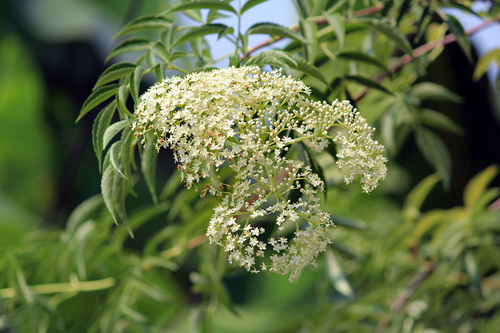
Sambucus canadensis
Both shrubs prefer similar conditions and their combined presence creates beneficial guild structure, attracting complementary beneficial insects and wildlife.
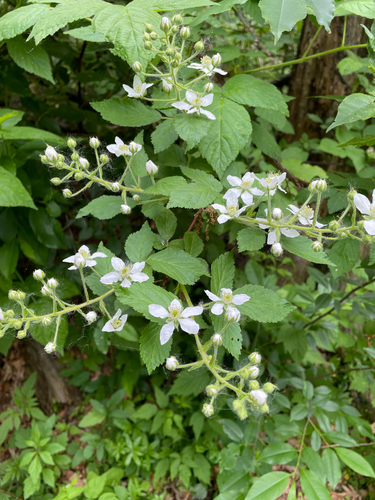
Rubus allegheniensis
Blackberries and hazelnut create complementary woodland edge guilds with different vertical layers, attracting diverse beneficial insects and wildlife.
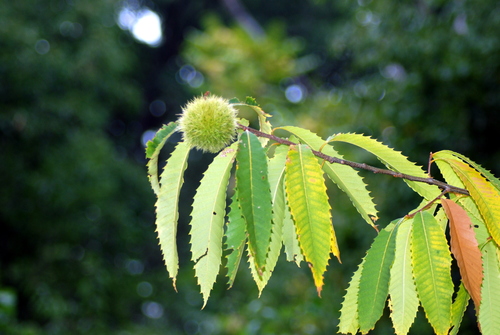
Castanea dentata
Chestnut and hazelnut are compatible woodland understory species that support each other through mixed guild benefits and complementary root depths.
Notable Cultivars
Most American hazelnuts in cultivation are seed-grown or unnamed clones rather than named cultivars. Selection focuses on nut size and productivity rather than ornamental characteristics.