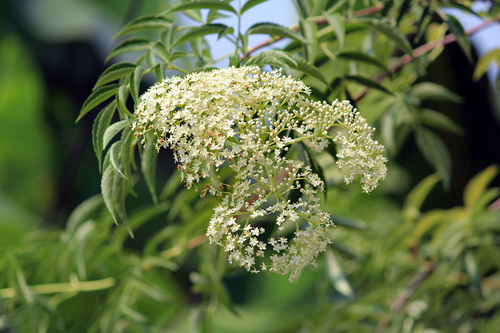
American black elderberry
Sambucus canadensis
A native deciduous shrub prized for its large clusters of white flowers in late spring and abundant black berries in late summer that attract wildlife. The berries are edible and commonly used for jams, syrups, and elderberry products.
Overview
- Form
- Growth Rate
- Size
- Dormancy
Tolerances & Soil
USDA Hardiness Zone
Seasonality
Bloom Season
Harvest Season
Season of Interest
Forest Layer Placement
Shrub
Woody multi-stem plants at eye level.
Succession Role
Native to the United States
Native Range
Eastern North America
Native to: Alabama, Arkansas, Connecticut, Delaware, Florida, Georgia, Iowa, Illinois, Indiana, Kentucky, Louisiana, Massachusetts, Maryland, Maine, Michigan, Minnesota, Missouri, Mississippi, North Carolina, New Hampshire, New Jersey, New York, Ohio, Pennsylvania, Rhode Island, South Carolina, Tennessee, Vermont, Virginia, West Virginia, Wisconsin
Function & Care
Functional Roles
Edible Parts
Establishment & Care
- Establishment
- Maintenance
- Years to Bearing
- Propagation
Companion Planting
Plants well with
3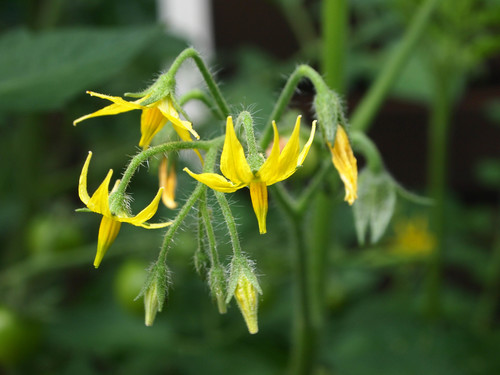
Solanum lycopersicum
Elderberry attracts beneficial insects while its presence can deter some pests. The shrub provides light dappled shade and improves microclimate for tomatoes.
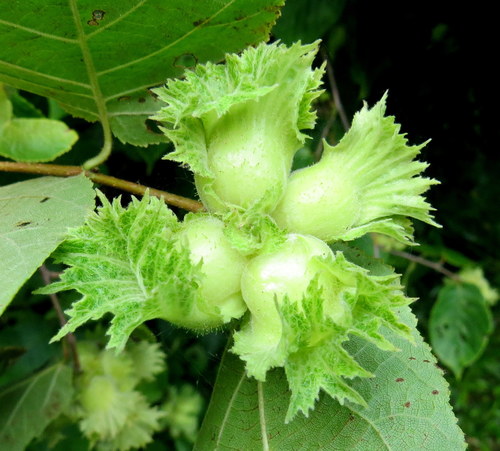
Corylus americana
Both shrubs prefer similar conditions and their combined presence creates beneficial guild structure, attracting complementary beneficial insects and wildlife.
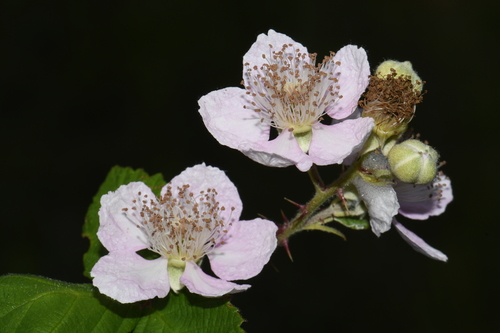
Rubus armeniacus
Both vigorous spreading plants establish together in disturbed or marginal areas, creating dense habitat for beneficial insects and wildlife protection.